|
|
Last Modified on Jan 28, 2026
Louisiana DUI laws are strict, serving harsh punishments even for first-time offenses. If you’re facing charges, it’s helpful to understand how to build a solid defense and minimize potential penalties. This often involves knowing how to challenge a field sobriety test in Louisiana.
How to Challenge a Field Sobriety Test in Louisiana
If you’re facing DUI charges, you can weaken the prosecution’s claims by invalidating parts of your arrest or the legal process that follows. It’s wise to hire a DUI lawyer to handle your defense, as they know how to properly challenge the prosecuting attorneys.
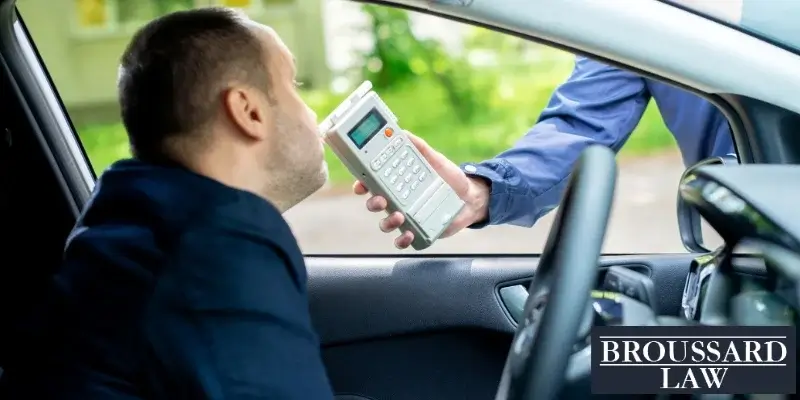
You have the right to refuse an FST in Louisiana without any immediate penalty; however, if you don’t, there are several strategies that you can use to challenge one:
- External factors: The driver may have physical or medical conditions that make performing FST tasks more difficult, even if they aren’t under the influence. Environmental factors like high winds and uneven road surfaces can also cause issues.
- Improper administration: There are specific protocols to follow when administering FSTs. If an officer fails to follow the proper steps and procedures, the results may be deemed unreliable.
- Lack of probable cause: You can argue that the arresting officer did not have a viable reason for pulling you over in the first place, invalidating any actions that took place afterward.
- Officer bias: Since FSTs are not objectively accurate, it’s up to the arresting officer to make the ultimate judgment call. Whether it’s malicious or not, one officer’s opinion can be misleading. A DUI attorney can cross-examine the officer to expose any potential bias.
- Video evidence: Dashcam or bodycam footage may reveal evidence of errors made by the officer or prove that the driver performed better than the officer claimed.
Field Sobriety Tests in Louisiana
With over 4,200,000 vehicles registered in Louisiana, it’s important to make sure every driver on the road is safe. Field sobriety tests (FSTs) are used to assess a driver’s physical impairment by testing their balance and coordination.
The National Highway Traffic Safety Administration (NHTSA) set out to determine the most accurate field sobriety testing methods in the 1970s. The data led to the recommendation of three main field sobriety tests:
- Horizontal gaze nystagmus tests have a 77 percent accuracy rate.
- One-leg stand tests have a 65 percent accuracy rate.
- Walk and turn tests have a 68 percent accuracy rate.
Even after standardizing the tests, none of them were 100 percent accurate. Even though they aren’t fool-proof, FSTs can help law enforcement determine whether it’s safe to let someone back on the road.
Hire a DUI Lawyer to Discuss Your Case in More Detail
The DWI Defense Center LLC has over 35 years of experience in handling DUI cases in Louisiana. As an exclusive DWI firm, we’re confident in our ability to challenge a field sobriety test and resolve your DUI case.
Our lead attorney, Troy G. Broussard, is certified in Standardized Field Sobriety Testing, so he knows what it looks like when it is conducted the right way. Contact our office to set up an initial appointment today.